
Car insurance is one of the most important financial protections for vehicle owners. Yet, many drivers pay their premiums every month without fully understanding what their policy actually covers. The phrase “full coverage car insurance” is often misunderstood. Many people assume it means everything related to their vehicle is covered. In reality, full coverage is not a single type of policy but rather a combination of different insurance coverages designed to protect you, your vehicle, and others on the road.
Understanding what your car insurance covers can help you avoid financial surprises after an accident, theft, or natural disaster. It also helps you choose the right policy for your needs and budget.
This detailed guide explains what car insurance actually covers, what full coverage includes, what it doesn’t include, and why it matters for drivers.
Understanding Car Insurance
Car insurance is a contract between you and an insurance company. In exchange for paying a premium, the insurance company agrees to cover certain financial losses related to your vehicle.
These losses may include:
-
Damage to your car
-
Injuries to you or others
-
Damage to someone else’s property
-
Theft or vandalism
-
Natural disaster damage
Without insurance, drivers may have to pay thousands of dollars out of pocket after accidents or other incidents. In many countries and regions, car insurance is legally required for drivers.
However, the coverage you receive depends entirely on the type of policy and protection you choose.
What Is “Full Coverage” Car Insurance?
“Full coverage” is a term used by insurance companies and drivers to describe a policy that includes multiple types of protection rather than just the minimum required coverage.
Typically, full coverage includes:
-
Liability Coverage
-
Collision Coverage
-
Comprehensive Coverage
Many drivers also add extra protections such as:
-
Uninsured motorist coverage
-
Personal injury protection
-
Medical payments coverage
-
Roadside assistance
Full coverage provides broader protection for your vehicle and financial security, especially if your car is new or valuable.
Liability Coverage
Liability coverage is the most basic and commonly required type of car insurance.
It protects you financially if you are responsible for causing an accident that injures another person or damages their property.
Liability coverage generally includes two components.
Bodily Injury Liability
This covers medical expenses for people injured in an accident that you caused. It may include:
-
Hospital bills
-
Medical treatment
-
Rehabilitation costs
-
Lost wages
-
Legal expenses
For example, if you accidentally hit another car and the driver is injured, your liability insurance helps pay their medical costs.
Property Damage Liability
Property damage liability pays for damage you cause to someone else’s property.
This may include:
-
Other vehicles
-
Buildings
-
Fences
-
Street signs
-
Utility poles
Without this coverage, you would have to pay for these damages yourself.
Collision Coverage
Collision coverage pays for damage to your own vehicle after an accident, regardless of who caused it.
This coverage applies when your car collides with:
-
Another vehicle
-
A tree
-
A guardrail
-
A building
-
Any stationary object
For example, if you slide on a wet road and hit a pole, collision coverage helps pay for repairs to your car.
However, collision coverage usually requires a deductible. A deductible is the amount you must pay before the insurance company covers the remaining repair costs.
If your deductible is $500 and repairs cost $2,000, you would pay $500 and the insurance company would pay $1,500.
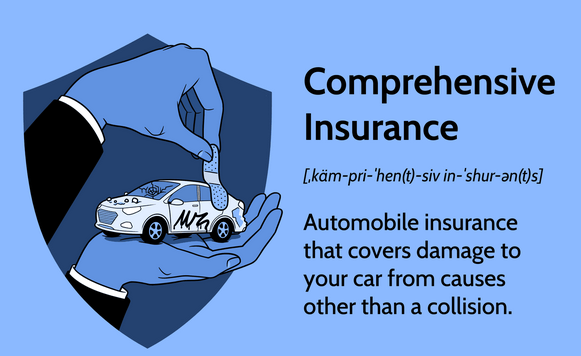
Comprehensive Coverage
Comprehensive coverage protects your vehicle against non-collision related damage.
This type of coverage includes incidents that are usually outside your control.
Examples include:
-
Car theft
-
Vandalism
-
Fire damage
-
Floods
-
Storm damage
-
Falling objects
-
Animal collisions
-
Hail damage
For example, if a tree branch falls on your car during a storm, comprehensive insurance helps pay for repairs.
Like collision coverage, comprehensive coverage also typically requires a deductible.
Uninsured and Underinsured Motorist Coverage
Unfortunately, not all drivers carry sufficient insurance. Some drivers have no insurance at all, while others may not have enough to cover the damage they cause.
Uninsured motorist coverage protects you if:
-
You are hit by a driver with no insurance
-
The driver leaves the accident scene (hit-and-run)
Underinsured motorist coverage helps when the other driver’s insurance is not enough to cover all damages.
This protection may cover:
-
Medical expenses
-
Lost wages
-
Pain and suffering
-
Vehicle repairs
Without this coverage, you may struggle to recover costs after accidents caused by uninsured drivers.
Personal Injury Protection (PIP)
Personal Injury Protection, often called PIP, helps cover medical expenses for you and your passengers after an accident, regardless of who caused it.
PIP may cover:
-
Medical bills
-
Rehabilitation costs
-
Lost income
-
Funeral expenses
-
Essential services like childcare
This type of coverage is common in no-fault insurance systems, where each driver’s insurance pays for their own injuries.
Medical Payments Coverage
Medical payments coverage is similar to PIP but usually provides more limited protection.
It helps pay for:
-
Emergency medical treatment
-
Hospital visits
-
Surgery
-
Ambulance services
Unlike liability coverage, medical payments coverage protects you and your passengers even if the accident was your fault.
Roadside Assistance Coverage
Many insurance companies offer roadside assistance as an optional add-on.
This service helps drivers when their vehicle breaks down unexpectedly.
Typical services include:
-
Towing
-
Battery jump-start
-
Flat tire changes
-
Lockout assistance
-
Fuel delivery
Although roadside assistance may not be necessary for every driver, it can be extremely helpful during emergencies.
Rental Car Reimbursement
If your vehicle is damaged in an accident and needs repairs, rental car reimbursement coverage helps pay for a temporary replacement vehicle.
This coverage typically covers:
-
Daily rental fees
-
Transportation costs while your car is being repaired
Without rental reimbursement, you may need to pay for a rental car yourself while waiting for repairs.
Gap Insurance
Gap insurance is especially useful for drivers who finance or lease their vehicles.
When a car is totaled, insurance companies usually pay the current market value of the vehicle, not the remaining loan balance.
If you owe more on your loan than the car is worth, gap insurance covers the difference between the loan amount and the car’s value.
This prevents drivers from continuing to pay for a car they no longer own.
What Full Coverage Does NOT Include
Even the most comprehensive car insurance policies do not cover everything.
Common exclusions include:
Regular Wear and Tear
Insurance does not cover maintenance issues such as:
-
Brake replacements
-
Tire wear
-
Oil changes
-
Engine maintenance
These are considered normal vehicle upkeep.
Mechanical Failures
If your engine or transmission fails due to mechanical problems, insurance usually will not cover repairs.
Vehicle warranties or mechanical protection plans may provide this coverage instead.
Intentional Damage
Insurance will not pay for damage that was intentionally caused by the policyholder.
Fraudulent claims can lead to policy cancellation or legal consequences.
Driving Without a License
If an accident occurs while driving illegally or without a valid license, the insurance company may refuse to cover damages.
Commercial Use (Without Proper Coverage)
If a personal vehicle is used for business purposes such as ride-sharing or delivery services, standard insurance policies may not apply unless commercial coverage is added.
Factors That Affect What Your Insurance Covers
Several factors influence the type and level of protection included in your policy.
Policy Limits
Each coverage type has limits that determine the maximum amount the insurer will pay.
For example:
-
$50,000 for bodily injury per person
-
$100,000 per accident
-
$25,000 for property damage
Higher limits provide better protection but increase premiums.
Deductibles
The deductible is the amount you must pay before insurance begins covering a claim.
Higher deductibles usually result in lower monthly premiums.
Vehicle Value
Newer or more expensive cars often require more comprehensive insurance coverage.
Older vehicles may not need full coverage if repair costs exceed the car’s value.
Driving History
Drivers with accidents or traffic violations may face higher premiums or limited coverage options.
Why Full Coverage Is Important
Full coverage insurance provides greater financial security and peace of mind.
Key benefits include:
Protection Against Expensive Repairs
Vehicle repair costs can be extremely high. Full coverage ensures you are not forced to pay large repair bills out of pocket.
Protection From Natural Disasters
Storms, floods, and other natural disasters can damage vehicles without warning. Comprehensive coverage protects against these events.
Protection From Theft
Car theft is a major concern in many areas. Comprehensive coverage helps replace or repair stolen vehicles.
Protection From Uninsured Drivers
Full coverage often includes protection against drivers who do not carry adequate insurance.
When Full Coverage May Not Be Necessary
Although full coverage offers extensive protection, it may not always be necessary.
Drivers might consider reducing coverage when:
-
The vehicle is very old
-
The car’s value is low
-
Repair costs exceed the car’s worth
For example, if a car is worth only $2,000 but full coverage costs $1,200 per year, the insurance may not be cost-effective.
However, drivers should carefully evaluate the risks before reducing coverage.
Tips for Choosing the Right Car Insurance Coverage
Selecting the right car insurance policy requires careful consideration.
Evaluate Your Vehicle’s Value
The value of your car plays a major role in determining whether full coverage is necessary.
Consider Your Financial Situation
Drivers with limited savings may benefit from full coverage because it reduces financial risk after accidents.
Compare Multiple Insurance Providers
Insurance companies offer different premiums, discounts, and policy options.
Comparing multiple insurers helps drivers find the best balance between price and protection.
Understand Policy Details
Always read policy terms carefully to understand:
-
Coverage limits
-
Deductibles
-
Exclusions
-
Additional benefits
Being informed prevents misunderstandings when filing claims.
Conclusion
Car insurance is far more complex than many drivers realize. While the term “full coverage” suggests complete protection, it actually refers to a combination of several insurance types, including liability, collision, and comprehensive coverage.
Together, these coverages protect drivers from financial losses caused by accidents, theft, natural disasters, and uninsured motorists. Additional options such as personal injury protection, rental reimbursement, and roadside assistance can further enhance a policy.
However, full coverage still has limitations. It does not cover routine maintenance, mechanical failures, or intentional damage. Drivers must carefully review their policies to understand what is included and what is excluded.