
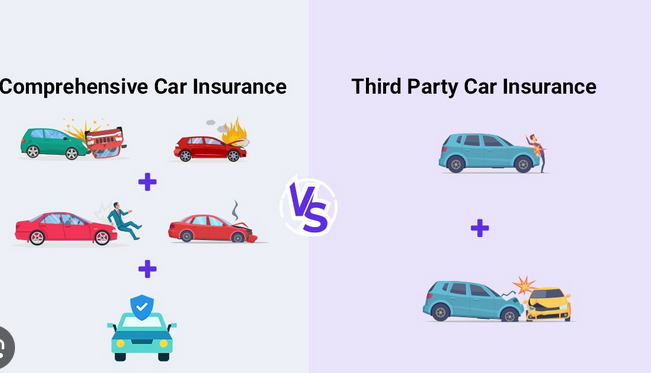
Car insurance is an essential financial safeguard for vehicle owners. Whether you drive occasionally or rely on your car daily, having the right insurance policy can protect you from unexpected financial losses caused by accidents, theft, or natural disasters. Among the various types of car insurance policies available, comprehensive insurance and third-party insurance are the two most common options.
Many drivers struggle to understand the difference between these two coverage types. While both policies offer protection, they differ significantly in terms of coverage, cost, benefits, and legal requirements. Choosing the right policy depends on your vehicle’s value, driving habits, financial capacity, and the level of protection you want.
This article provides a detailed explanation of comprehensive vs third-party car insurance, including their definitions, coverage, key differences, benefits, disadvantages, and tips for choosing the best option.
What Is Car Insurance?
Car insurance is a contract between a vehicle owner and an insurance company in which the insurer provides financial protection against losses resulting from accidents, theft, or other incidents in exchange for a premium payment.
The purpose of car insurance is to reduce the financial burden caused by vehicle damage, injuries, or legal liabilities. Depending on the policy type, insurance may cover damages to your vehicle, damage caused to others, medical costs, or legal expenses.
Car insurance policies typically fall into two main categories:
-
Third-party car insurance
-
Comprehensive car insurance
Understanding how these two policies differ is essential before selecting one.
What Is Third-Party Car Insurance?
Third-party car insurance is the most basic and minimal form of vehicle insurance. It covers damages or injuries caused by your vehicle to another person, vehicle, or property. However, it does not provide any protection for damage to your own car.
In many countries, third-party insurance is legally required for drivers to operate a vehicle on public roads. The main purpose of this policy is to ensure that victims of accidents receive compensation.
Coverage Under Third-Party Insurance
Third-party insurance generally covers:
-
Damage to another person’s vehicle
-
Damage to third-party property
-
Injuries or death of another person
-
Legal liabilities arising from accidents
-
Personal accident cover for the owner-driver in some policies
However, it does not cover damage to your own car, even if the accident was not your fault.
Example of Third-Party Insurance
Imagine you accidentally hit another car while driving. If you have third-party insurance:
-
The insurer will pay for the damage to the other car.
-
If the other driver or passengers are injured, their medical expenses may be covered.
But:
-
The cost of repairing your own car will come out of your pocket.
What Is Comprehensive Car Insurance?
Comprehensive car insurance offers broader and more complete protection compared to third-party insurance. It covers both third-party liabilities and damage to your own vehicle.
This policy protects your car from various risks such as accidents, theft, fire, vandalism, and natural disasters.
Because of its extensive coverage, comprehensive insurance is usually more expensive than third-party insurance.
Coverage Under Comprehensive Insurance
Comprehensive insurance typically includes:
-
Damage to your own vehicle due to accidents
-
Damage to other vehicles or property
-
Injury or death of third parties
-
Theft or burglary
-
Fire damage
-
Natural disasters such as floods, storms, or earthquakes
-
Man-made incidents such as riots or vandalism
Many insurers also offer add-on covers, such as:
-
Zero depreciation cover
-
Engine protection
-
Roadside assistance
-
Return-to-invoice cover
These optional add-ons allow policyholders to customize their coverage for better protection.
Key Differences Between Comprehensive and Third-Party Insurance
Although both types of policies protect drivers financially, their coverage scope is very different.
1. Coverage Scope
The most significant difference lies in the level of protection offered.
-
Third-party insurance: Covers only damage caused to other people, vehicles, or property.
-
Comprehensive insurance: Covers third-party liabilities as well as damage to your own vehicle.
Comprehensive insurance essentially combines third-party coverage with additional protection for the insured vehicle.
2. Legal Requirement
Third-party insurance is often required by law in many countries, making it the minimum insurance needed to drive legally.
Comprehensive insurance, on the other hand, is optional but recommended, especially for new or expensive vehicles.
However, lenders and leasing companies may require comprehensive coverage if the vehicle is financed.
3. Cost and Premium
One of the biggest differences between the two policies is the premium cost.
-
Third-party insurance: Cheaper because it provides limited coverage.
-
Comprehensive insurance: More expensive due to wider protection.
Comprehensive insurance premiums depend on several factors such as:
-
Vehicle value
-
Model and engine capacity
-
Location
-
Driving history
-
Add-on coverage
Third-party insurance premiums are usually fixed or regulated in many regions.
4. Protection for Your Own Vehicle
Third-party insurance does not cover your own vehicle’s damages under any circumstances.
Comprehensive insurance provides financial protection if your vehicle is damaged due to accidents, theft, or natural disasters.
This makes comprehensive insurance a safer choice for expensive cars.
5. Customization Options
Third-party insurance typically offers little or no customization.
Comprehensive insurance allows drivers to add optional coverage through add-ons, including:
-
Engine protection
-
Roadside assistance
-
No-claim bonus protection
-
Consumables cover
These options enhance the overall protection offered by the policy.
6. Risk Coverage
Third-party insurance provides protection only from legal liabilities toward others.
Comprehensive insurance covers a wide range of risks, including:
-
Accidents
-
Theft
-
Fire
-
Floods
-
Vandalism
This broader coverage reduces financial risk for vehicle owners.
Advantages of Third-Party Car Insurance
Despite its limited coverage, third-party insurance offers several benefits.
1. Lower Premium Cost
Third-party insurance is significantly cheaper than comprehensive insurance. This makes it an affordable option for drivers with tight budgets.
2. Legal Compliance
In many countries, having third-party insurance is mandatory. Purchasing this policy ensures that you comply with the law and avoid fines.
3. Suitable for Older Vehicles
If your car is old or has a low market value, it may not be worth paying higher premiums for comprehensive coverage.
4. Basic Financial Protection
Third-party insurance protects you from legal liabilities if your vehicle causes injury or damage to others.
Disadvantages of Third-Party Car Insurance
Although inexpensive, third-party insurance has several limitations.
1. No Protection for Your Vehicle
The biggest drawback is that it does not cover damage to your own car.
2. Limited Coverage
It covers only third-party losses and offers minimal financial protection.
3. No Add-Ons
Most third-party policies do not allow customization through additional coverage options.
4. Higher Financial Risk
If your car is damaged or stolen, you will have to bear the entire repair or replacement cost yourself.
Advantages of Comprehensive Car Insurance
Comprehensive insurance offers several benefits that make it a popular choice among car owners.
1. Complete Protection
Comprehensive insurance provides coverage for both third-party liabilities and damage to your own vehicle.
2. Protection Against Natural Disasters
It covers damage caused by floods, storms, earthquakes, and other natural disasters.
3. Theft Protection
If your car is stolen, the insurance company compensates you based on the vehicle’s market value.
4. Add-On Benefits
Policyholders can customize their coverage by adding optional protections such as engine cover and roadside assistance.
5. Peace of Mind
With broader coverage, comprehensive insurance provides greater financial security and peace of mind.
Disadvantages of Comprehensive Car Insurance
Despite its advantages, comprehensive insurance also has some drawbacks.
1. Higher Premium
Comprehensive insurance costs more than third-party insurance because it offers extensive protection.
2. Deductibles
Policyholders may have to pay deductibles before receiving claim compensation.
3. Policy Conditions
Claims may be rejected if policy terms are violated, such as driving under the influence or without a valid license.
When Should You Choose Third-Party Insurance?
Third-party insurance may be suitable if:
-
Your car is old and has low market value
-
You drive infrequently
-
You want the cheapest legal insurance option
-
You are willing to take the financial risk of repairing your own car
In such cases, paying for comprehensive coverage may not be financially justified.
When Should You Choose Comprehensive Insurance?
Comprehensive insurance is ideal if:
-
Your car is new or expensive
-
You drive frequently
-
Your car is financed or leased
-
You want maximum protection
-
You live in an area with high theft or accident rates
Although the premium is higher, the financial protection provided by comprehensive insurance can be worth the cost.
How to Choose the Right Car Insurance Policy
Choosing between comprehensive and third-party insurance depends on several factors.
1. Vehicle Value
If your car has a high market value, comprehensive insurance is usually the better choice.
2. Budget
Drivers with limited budgets may prefer third-party insurance because of its lower premium.
3. Driving Frequency
Frequent drivers face higher accident risks and may benefit from comprehensive coverage.
4. Risk Tolerance
Some drivers prefer minimal coverage, while others want maximum financial protection.
5. Location
Areas prone to accidents, theft, or natural disasters may require more comprehensive protection.
Final Thoughts
Understanding the difference between comprehensive and third-party car insurance is crucial for making an informed decision. Third-party insurance offers basic protection and is often legally required, but it provides limited coverage and does not protect your own vehicle. Comprehensive insurance, on the other hand, offers broader protection by covering both third-party liabilities and damage to your car.
While third-party insurance is cheaper and suitable for older vehicles or budget-conscious drivers, comprehensive insurance provides greater financial security and peace of mind. Ultimately, the right choice depends on your vehicle’s value, driving habits, and willingness to accept financial risk.