
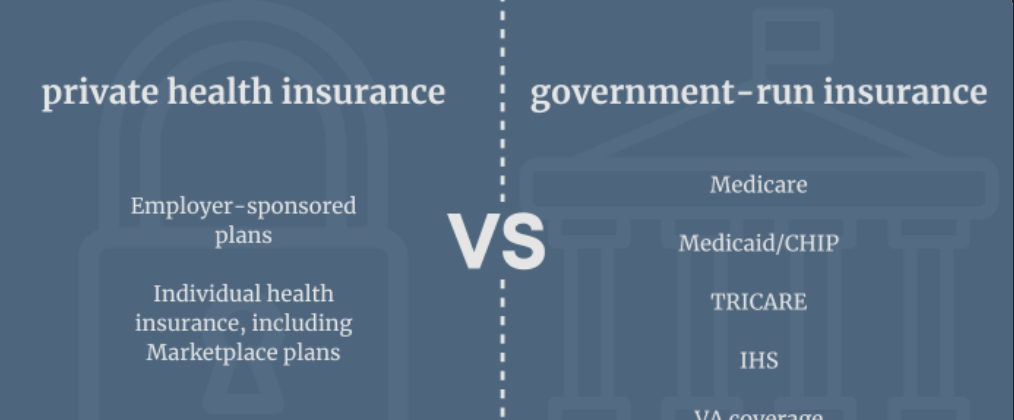
Health insurance plays a crucial role in protecting individuals and families from the high costs of medical care. Without proper coverage, even a simple hospital visit can become financially overwhelming. Around the world, healthcare systems generally rely on two main types of insurance models: private health insurance and public health insurance.
While both aim to help people afford medical treatment, they differ significantly in terms of cost, accessibility, flexibility, and overall experience. Some countries rely heavily on government-funded healthcare, while others use a mix of public and private insurance systems. Choosing the right option depends on personal needs, income level, health conditions, and the type of healthcare services required.
This article explores the differences between private and public health insurance in detail. It explains how each system works, their advantages and disadvantages, and which one may be better depending on your situation.
Understanding Health Insurance
Health insurance is a financial agreement between an individual and an insurer that helps cover medical expenses. When a person has insurance, the insurer pays part or all of the costs associated with healthcare services such as doctor visits, hospital stays, medications, surgeries, and preventive care.
The purpose of health insurance is to reduce financial risk. Healthcare treatments can be extremely expensive, especially in cases of emergencies, chronic diseases, or major surgeries. Insurance ensures that individuals receive medical care without facing severe financial hardship.
There are two primary models of health insurance systems:
-
Public health insurance
-
Private health insurance
Each model has its own structure, funding method, and benefits.
What Is Public Health Insurance?
Public health insurance is a healthcare coverage program funded and managed by the government. In this system, healthcare services are typically financed through taxes or government contributions. Citizens and residents receive healthcare services either free of cost or at a very low price.
Public health insurance programs aim to provide universal access to healthcare, ensuring that every individual can receive medical treatment regardless of their financial situation.
Common examples of public health insurance programs include:
-
National healthcare systems
-
Government-funded insurance programs
-
Social health insurance schemes
These systems are designed to ensure that essential healthcare services such as hospital treatment, preventive care, and emergency services are accessible to everyone.
What Is Private Health Insurance?
Private health insurance is provided by private companies rather than the government. Individuals or employers purchase insurance plans from these companies to cover medical expenses.
Private insurance plans typically offer a variety of options and coverage levels. People can choose policies based on their budget, health needs, and preferred hospitals or doctors.
Private insurance often provides:
-
Faster access to healthcare
-
More hospital and doctor choices
-
Additional medical benefits
Many private insurance policies also include services such as dental care, vision coverage, specialized treatments, and wellness programs.
Private insurance can be purchased in several ways:
-
Individually by a person or family
-
Through employer-sponsored health plans
-
Through private insurance marketplaces
Key Differences Between Public and Private Health Insurance
Although both systems aim to provide healthcare coverage, they operate very differently. Understanding their differences helps individuals choose the right option.
1. Source of Funding
Public health insurance is primarily funded by government taxes or mandatory contributions. Citizens collectively contribute to the system, and healthcare services are provided to everyone.
Private health insurance is funded through monthly premiums paid by policyholders or their employers.
Because of this funding structure, public insurance is generally more affordable, while private insurance often requires higher monthly payments.
2. Cost and Affordability
Cost is one of the most significant differences between the two systems.
Public health insurance is usually cheaper because the government subsidizes the costs. Many programs offer low premiums, reduced deductibles, or free healthcare services for eligible individuals.
Private health insurance, on the other hand, can be expensive. Policyholders must pay monthly premiums, deductibles, co-payments, and sometimes additional fees.
For many people, especially those with lower incomes, public insurance may be the only affordable option.
3. Access to Healthcare Services
Public healthcare systems aim to serve the entire population. However, because they cover a large number of people, hospitals and clinics may become overcrowded.
As a result, patients may experience longer waiting times for non-emergency procedures or specialist appointments.
Private health insurance usually provides faster access to doctors and specialists. Patients with private coverage can often schedule appointments quickly and receive treatment sooner.
4. Choice of Doctors and Hospitals
Private insurance generally offers more flexibility in choosing healthcare providers. Policyholders can select from a wide network of hospitals, clinics, and specialists.
Public insurance programs may limit patients to specific government hospitals or approved healthcare providers.
This difference is important for individuals who prefer a particular doctor or want access to specialized medical facilities.
5. Coverage Options
Private health insurance plans often provide customizable coverage. Policyholders can select add-ons or additional benefits depending on their needs.
These may include:
-
Dental care
-
Vision care
-
Maternity services
-
Mental health support
-
Wellness programs
Public health insurance usually focuses on essential healthcare services such as hospitalization, emergency treatment, and preventive care.
Because of this, private plans may offer more comprehensive coverage.
Advantages of Public Health Insurance
Public health insurance has several benefits that make it attractive for many people.
Universal Healthcare Access
One of the biggest advantages is universal access to healthcare. Public systems ensure that everyone can receive medical treatment regardless of their income level.
This helps reduce health inequalities and ensures that essential medical services are available to all members of society.
Lower Costs
Public insurance programs are generally more affordable. Since the government subsidizes healthcare expenses, individuals pay lower premiums and out-of-pocket costs.
This makes healthcare accessible to low-income families, elderly individuals, and vulnerable populations.
Financial Protection
Public healthcare systems provide financial protection by covering major medical treatments and emergencies.
Without public insurance, many people might not be able to afford hospital care or life-saving treatments.
Preventive Care Focus
Public health systems often emphasize preventive care. Services such as vaccinations, health screenings, and wellness programs are commonly included.
Preventive care helps detect diseases early and improves overall public health.
Disadvantages of Public Health Insurance
Despite its benefits, public health insurance also has certain limitations.
Longer Waiting Times
Public healthcare systems often experience high demand because they serve a large population.
As a result, patients may wait weeks or even months for non-urgent medical procedures or specialist appointments.
Limited Provider Choices
Patients in public insurance programs may have limited choices when selecting doctors or hospitals.
Some programs require individuals to use government-approved healthcare providers, reducing flexibility.
Overcrowded Facilities
Public hospitals may become overcrowded due to the large number of patients seeking care.
This can sometimes lead to longer wait times and reduced comfort during treatment.
Limited Coverage for Specialized Treatments
Public health insurance usually covers essential medical services but may not include certain advanced treatments or elective procedures.
Patients who need specialized care may need to pay out of pocket or seek private insurance.
Advantages of Private Health Insurance
Private health insurance offers several benefits that attract individuals who want faster or more personalized healthcare.
Faster Medical Services
One of the biggest advantages of private insurance is reduced waiting times.
Policyholders can often access medical consultations, diagnostic tests, and surgeries more quickly compared to public healthcare systems.
Greater Provider Choice
Private insurance typically allows patients to choose their preferred doctors, specialists, and hospitals.
This flexibility helps individuals receive care from providers they trust.
More Comprehensive Coverage
Private health insurance plans often include additional services beyond basic healthcare.
These may include:
-
Dental treatments
-
Vision care
-
Alternative therapies
-
Wellness programs
This expanded coverage can improve overall healthcare quality.
Better Facilities and Comfort
Private hospitals often offer better facilities, shorter waiting rooms, and more personalized patient care.
Patients may also receive private hospital rooms and improved comfort during treatment.
Disadvantages of Private Health Insurance
Although private insurance offers many advantages, it also comes with certain drawbacks.
High Premium Costs
Private health insurance can be expensive. Monthly premiums, deductibles, and co-payments may create financial pressure for some individuals.
For people with limited income, private insurance may not be affordable.
Coverage Limitations
Some private insurance policies include exclusions or limitations for certain medical conditions or treatments.
Policyholders must carefully review their coverage to understand what is included.
Complexity of Plans
Private insurance plans can be complicated, with different coverage options, networks, and pricing structures.
Choosing the right policy may require careful research and comparison.
Profit-Driven System
Private insurance companies operate as businesses and aim to make a profit.
In some cases, critics argue that financial incentives may influence treatment recommendations or healthcare costs.
When Public Health Insurance Is Better
Public health insurance may be the better option in the following situations:
-
Individuals with limited income
-
Families who cannot afford high insurance premiums
-
People who want basic healthcare coverage
-
Individuals who do not require frequent specialist care
Public insurance provides essential healthcare services and ensures financial protection.
When Private Health Insurance Is Better
Private health insurance may be preferable for people who:
-
Want faster access to medical care
-
Prefer a wider choice of doctors and hospitals
-
Need specialized treatments
-
Want additional healthcare benefits
People who can afford higher premiums may find private insurance more convenient.
Hybrid Healthcare Systems
Many countries combine both public and private health insurance systems.
In these hybrid systems:
-
Public insurance provides basic healthcare coverage.
-
Private insurance offers additional benefits and faster services.
This approach allows individuals to access essential healthcare while still having the option to upgrade their coverage.
Factors to Consider Before Choosing Health Insurance
Before selecting a health insurance plan, individuals should evaluate several important factors.
Budget
Consider how much you can afford to pay for premiums, deductibles, and medical expenses.
Public insurance may be more suitable for those with limited budgets.
Health Needs
People with chronic illnesses or frequent medical needs may require more comprehensive coverage.
Private insurance may offer better access to specialists and advanced treatments.
Healthcare Providers
If you prefer specific doctors or hospitals, private insurance may provide greater flexibility.
Waiting Time Tolerance
If quick access to treatment is important, private insurance may be the better choice.
Public systems may involve longer waiting periods for certain procedures.
Future Trends in Health Insurance
Healthcare systems continue to evolve as governments and private companies look for ways to improve efficiency and accessibility.
Some emerging trends include:
-
Digital healthcare platforms
-
Telemedicine services
-
AI-driven healthcare management
-
Personalized insurance plans
These innovations may change how public and private health insurance operate in the future.
Conclusion
Both private and public health insurance systems play an important role in modern healthcare. Each system has its own strengths and weaknesses, and the best choice depends on individual circumstances.
Public health insurance provides affordable and accessible healthcare for large populations. It ensures that everyone can receive essential medical treatment regardless of their financial situation.
Private health insurance, on the other hand, offers greater flexibility, faster services, and additional healthcare benefits. However, it often comes with higher costs and complex coverage options.
Ultimately, there is no single answer to which system is better. The ideal choice depends on factors such as income level, healthcare needs, and personal preferences. Many countries successfully combine both systems, allowing people to benefit from the strengths of each approach.